Expert Music Transcription Data for AI Training
Human-verified, ground-truth music notation for training and evaluating AI models. Structured output in MusicXML, MIDI, and native notation formats — from pilot datasets to production-scale annotation.
Music Notation Hub provides expert music transcription data for AI training, model evaluation, and music information retrieval research. Whether you need human-verified ground-truth for automatic music transcription (AMT) models, clean digital notation for optical music recognition (OMR) benchmarks, or aligned audio-MIDI pairs for symbolic music research — our team of professional musicians produces annotation-quality data with the accuracy and consistency your models require. We’ve provided ground-truth transcription, correction, and audio-MIDI alignment for multiple AI music companies and training models — including Magenta.
AI Data Challenges We Solve
Common challenges for AI and MIR teams — and how we address them
Human-Verified Accuracy
AI models are only as good as their training data. Every note, rhythm, and dynamic in our transcriptions is verified by professional musicians — not automated tools.
Structured Output Formats
Your pipeline needs structured data, not just PDFs. We deliver in MusicXML, MIDI, and native notation formats compatible with your ML stack.
Annotation Consistency
Inconsistent annotations introduce noise. We maintain strict style guides and inter-annotator agreement protocols to ensure uniform labeling across your dataset.
Scalable Workforce
Scaling annotation from a pilot to thousands of samples requires a reliable team. Our network of professional musicians scales to match your dataset targets.
Complex Music Support
Real-world music includes polyphony, syncopation, ornaments, and unconventional notation. Our annotators handle complex scores that automated tools struggle with.
Custom Metadata
Beyond notation, you may need instrument labels, tempo markings, key signatures, time signatures, or custom tags. We annotate any metadata your schema requires.
Services for AI Teams
Core annotation services tailored for AI and MIR research
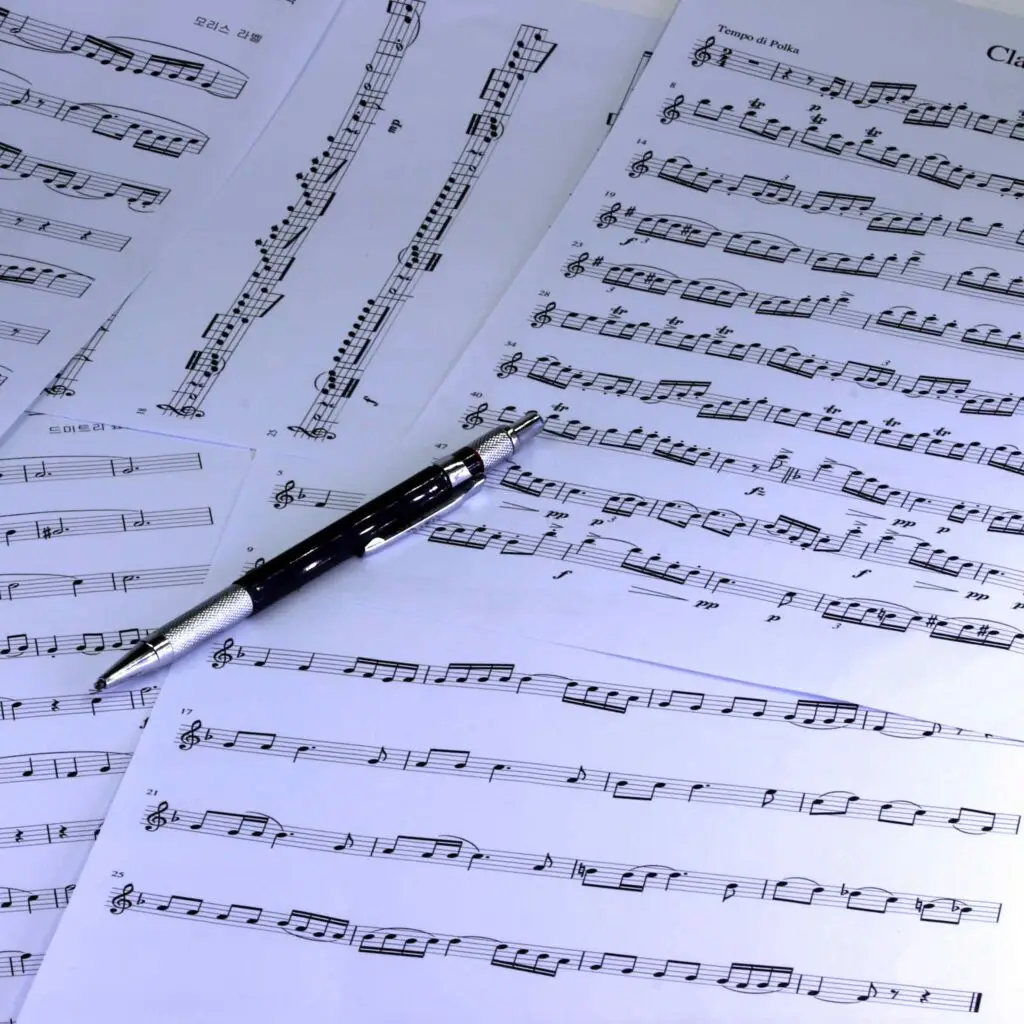
Music Transcription
Human-verified audio-to-notation transcription for AMT ground-truth datasets. Note-level accuracy across all instruments and genres.
Learn More →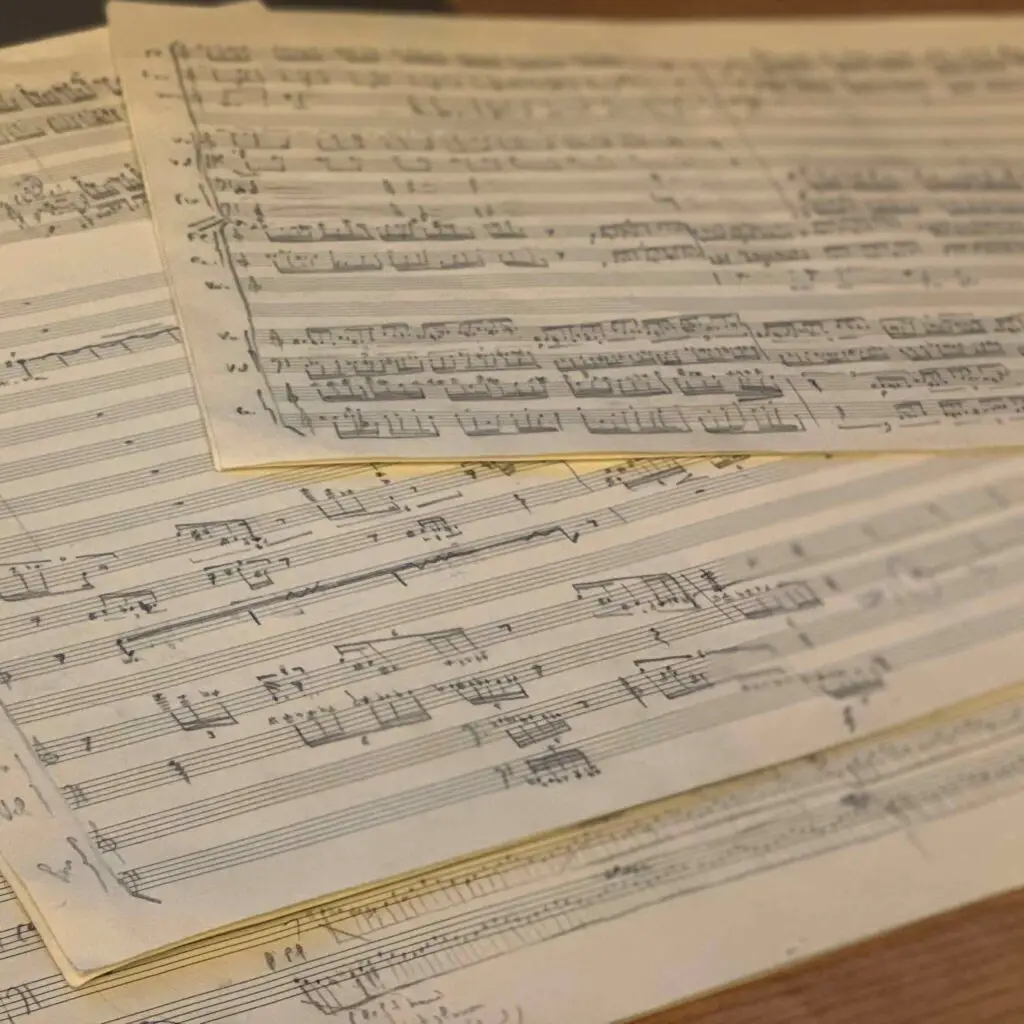
Music Engraving
Clean digital notation from scanned scores, manuscripts, and degraded sources. Ideal for OMR training and evaluation datasets.
Learn More →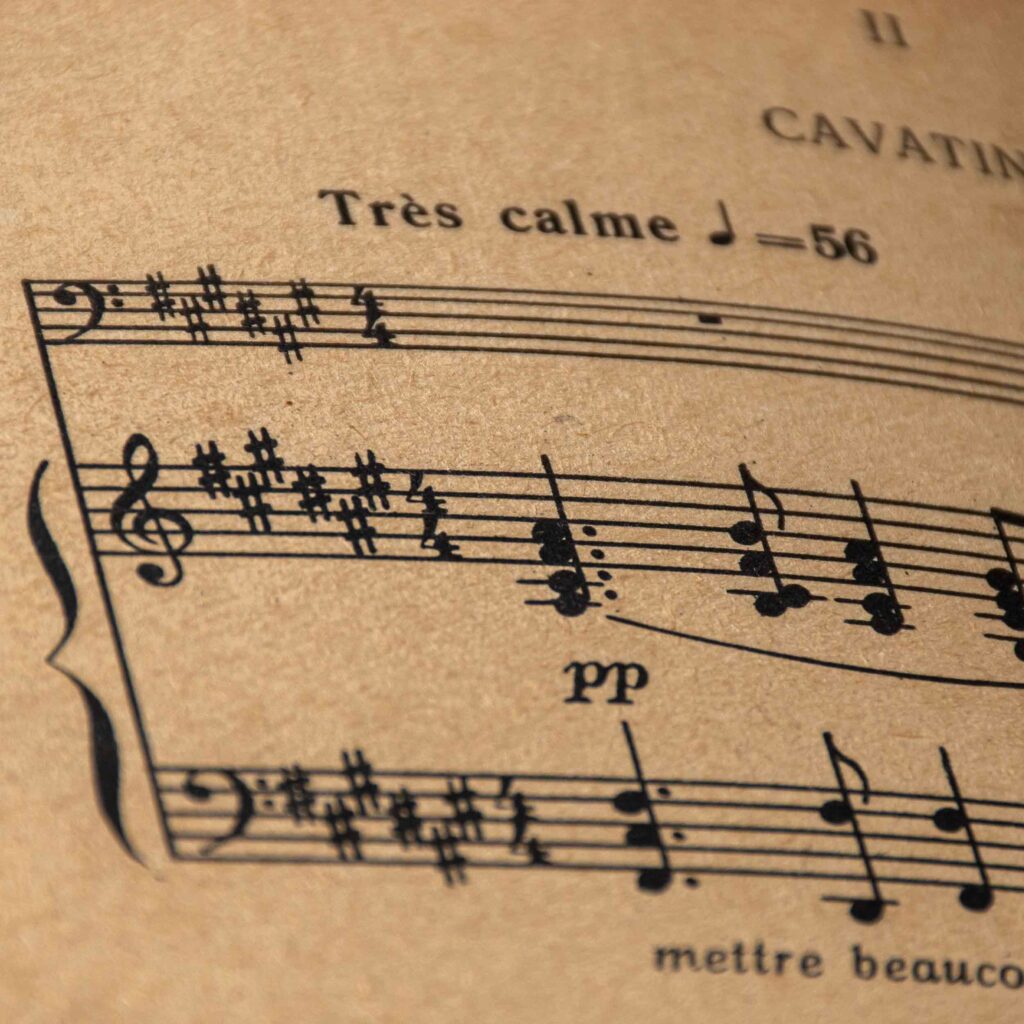
Music Proofreading
Quality assurance for existing notation datasets. We review and correct errors in notes, rhythms, dynamics, and formatting to improve ground-truth quality.
Learn More →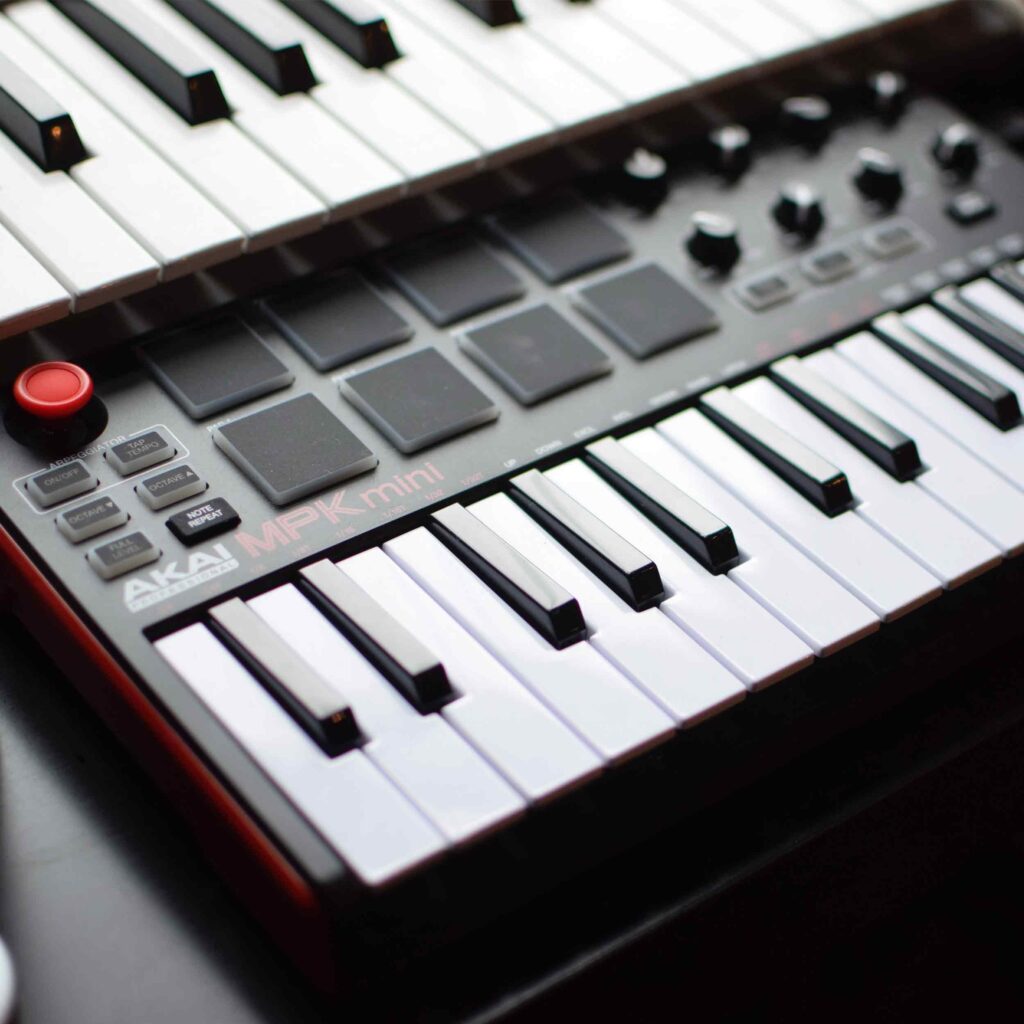
MIDI Cleanup
Clean, properly quantized MIDI files aligned to audio recordings. Essential for audio-symbolic alignment research and piano transcription datasets.
Learn More →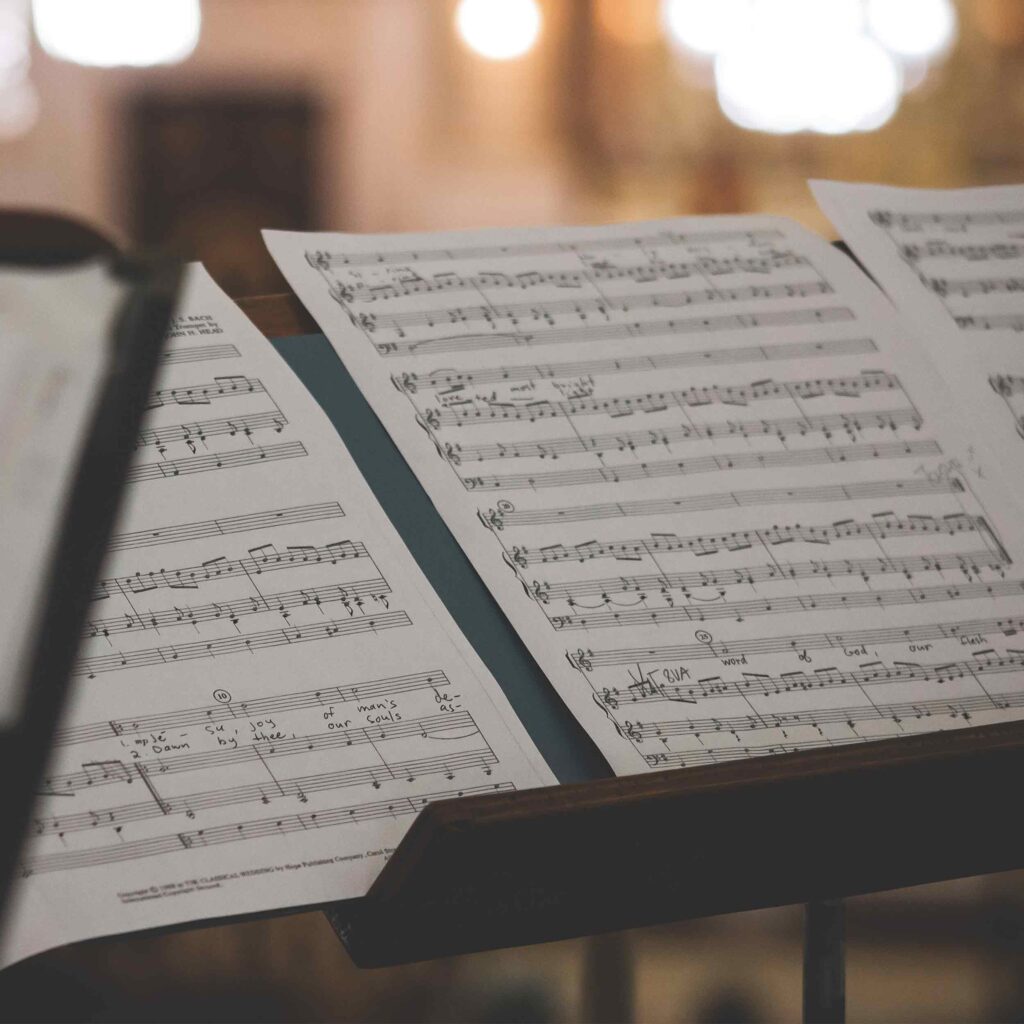
Parts Extraction
Individual voice and instrument separation from polyphonic scores. Produces voice-level annotations for source separation and multi-pitch research.
Learn More →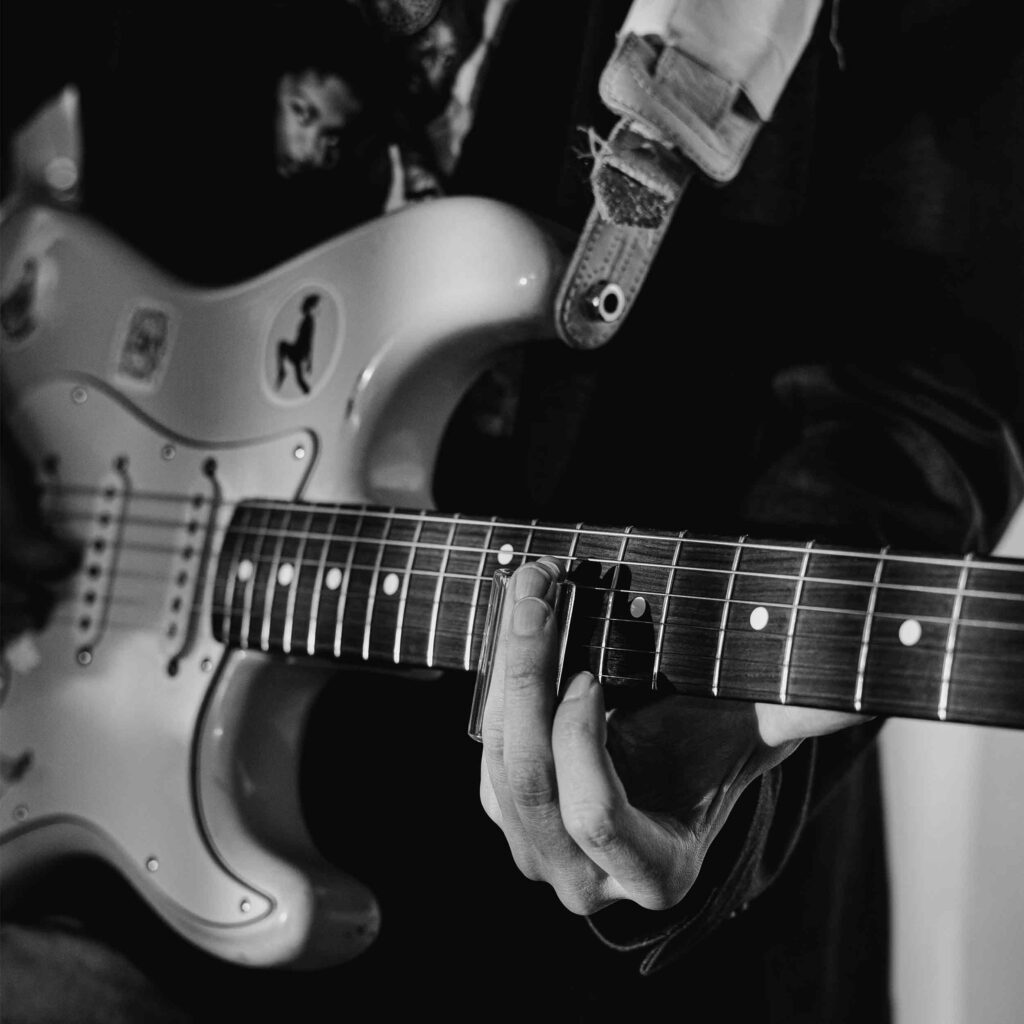
Sheet Music to Tabs
Tablature annotations from standard notation for guitar transcription and fingering estimation datasets. Accurate fret and string assignments.
Learn More →How It Works
Our workflow is designed for AI research teams and data engineers
Consultation
Share your annotation guidelines, format requirements, and dataset specifications. We’ll align our process to your research needs.
Scoping & Quote
Receive a project plan with fixed-rate or hourly pricing, pilot project options, and scalable production timelines.
Production
Professional musicians annotate your data following your guidelines. QA checks at every stage ensure inter-annotator consistency.
Review & Delivery
Review pilot samples, validate against your pipeline, and receive production batches in your required formats with full metadata.
Formats & Deliverables
Every project delivered in the formats your pipeline requires

Dataset & Annotation Pricing
Custom Pricing for AI Teams
We offer fixed-rate or hourly pricing tailored to your project scope. Every quote is based on your annotation guidelines, format requirements, and dataset size — with pilot project rates available to get started.
Request a QuoteMusic Transcription Data for AI — Frequently Asked Questions
What file formats do you deliver?
We deliver in Sibelius, Dorico, Finale, Guitar Pro, MuseScore, MusicXML, MIDI, and PDF. We can also adapt to custom format requirements your ML pipeline needs — just share your specification.
How do you ensure ground-truth accuracy?
Every transcription is created by a professional musician with formal training in music theory and notation. We apply internal proofreading to every sample and can implement inter-annotator agreement protocols for critical datasets. Our baseline accuracy rate is 99% at the note level.
Can you follow our custom annotation guidelines?
Absolutely. We regularly work with client-specific annotation guidelines covering note-level detail, metadata tagging, encoding conventions, and edge-case handling rules. We onboard to your guidelines before the pilot phase.
What types of music sources can you annotate?
Any source: audio recordings, scanned sheet music, MIDI files, PDF scores, handwritten manuscripts, or synthetic audio. We handle monophonic and polyphonic sources across all genres and instrumentation levels.
What is your capacity for large-scale dataset annotation?
We can scale to thousands of annotated samples per month with consistent quality. For large datasets, we assign dedicated annotators trained on your specific guidelines, with batch delivery schedules and quality metrics reporting.
What QA process do you use?
Every sample undergoes at least one round of internal proofreading by a second annotator. For datasets requiring higher confidence, we offer multi-annotator review with majority voting and disagreement resolution. We provide QA metrics with every delivery.
Do you offer pilot projects?
Yes. We recommend starting with a small pilot batch so you can evaluate annotation quality, format compatibility, and turnaround before committing to a larger engagement. Pilot pricing is available, and pilot samples are production-quality.
Can you produce paired audio-notation datasets?
Yes. We can create aligned audio-notation pairs where each audio segment is matched to its corresponding notation annotation. This includes beat-level and note-level alignment where required. Essential for AMT and audio-symbolic alignment research.